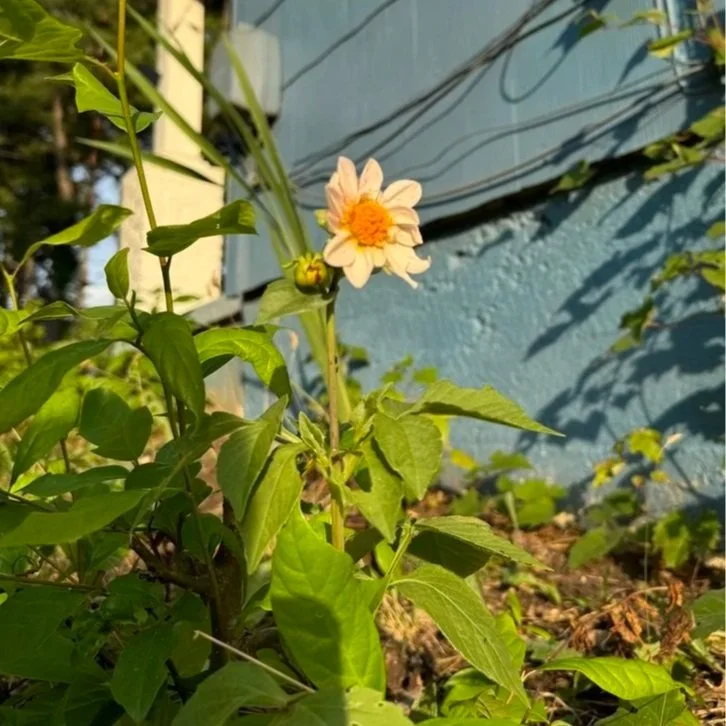
Soft Things, Strong Roots
Nurturing is often mistaken for gentleness alone. As if care is passive, or fragile, or without structure.
But anything that survives needs roots.
Plants need consistent tending. Children need boundaries. Adults do too, whether they admit it or not. Care requires discernment. It asks you to notice when to hold close and when to step back.
I’ve always been instinctively nurturing. It isn’t something I decided to become—it’s something I recognize in myself the way you recognize a familiar landscape. Caring comes naturally to me, but it isn’t careless. It’s deliberate. Attentive. Quietly strong.
There is authority in care.
It doesn’t announce itself.
It steadies what it touches.

Movement as Listening
Dance didn’t arrive early in my life, but when it did, it felt familiar—like a language my body already knew but hadn’t spoken out loud.
I’m still learning how to listen when I move. Some days it feels fluid and intuitive. Other days it feels uncertain, unfinished, asking more patience from me than confidence. Both feel important.
Movement isn’t about being watched. It’s about attention turning inward. About noticing how breath shifts weight, how posture changes emotion, how rhythm creates permission.
The body has its own timing.
I’ve learned not to rush it.
On Wanting to Be Held
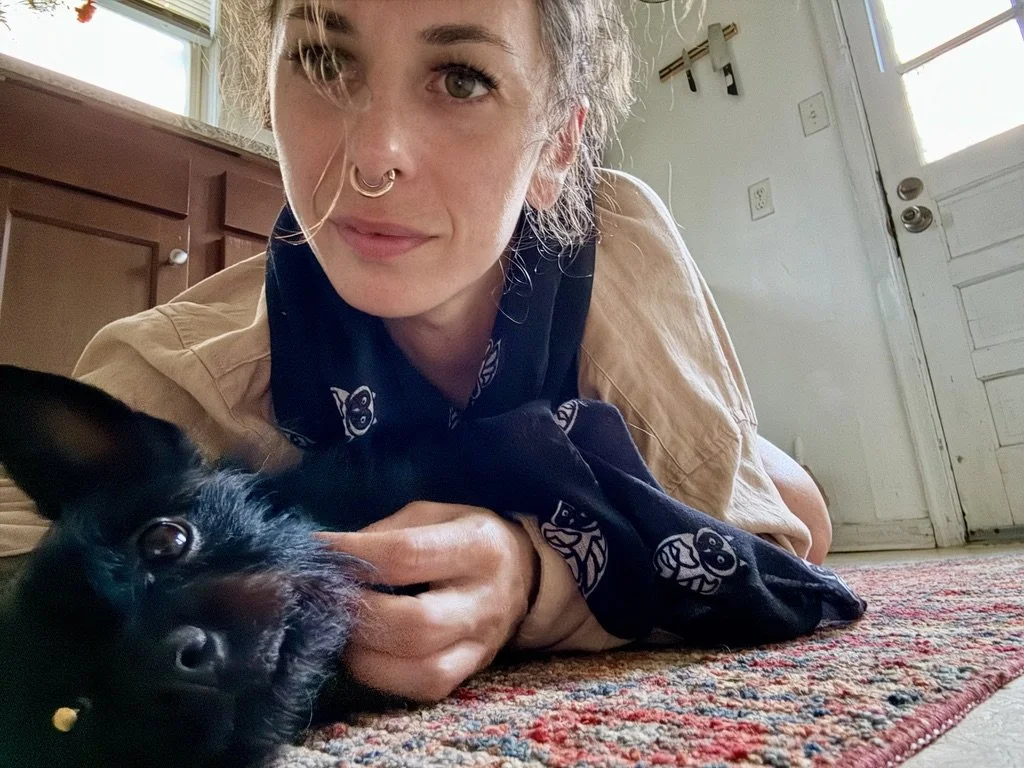
There is a kind of holding that asks nothing in return. No performance. No outcome. Just contact, offered without urgency.
It’s rarer than we admit.
Being held this way allows the body to settle. Breath deepens. Muscles soften. Time loosens its grip. It isn’t dramatic, but it’s deeply regulating.
Affection doesn’t always need direction. Sometimes it’s enough to rest in proximity, to share warmth, to let stillness do the work.
I’ve come to value that kind of closeness more with time. It reminds me that connection doesn’t need to prove itself to be real.
Comfort Isn’t Laziness
I used to misunderstand my own desire for comfort. I worried it meant indulgence, or softness taken too far.
I don’t see it that way anymore.
Comfort creates the conditions for presence. When the body feels at ease, attention has somewhere else to go. Curiosity deepens. Sensation sharpens. Connection becomes possible.
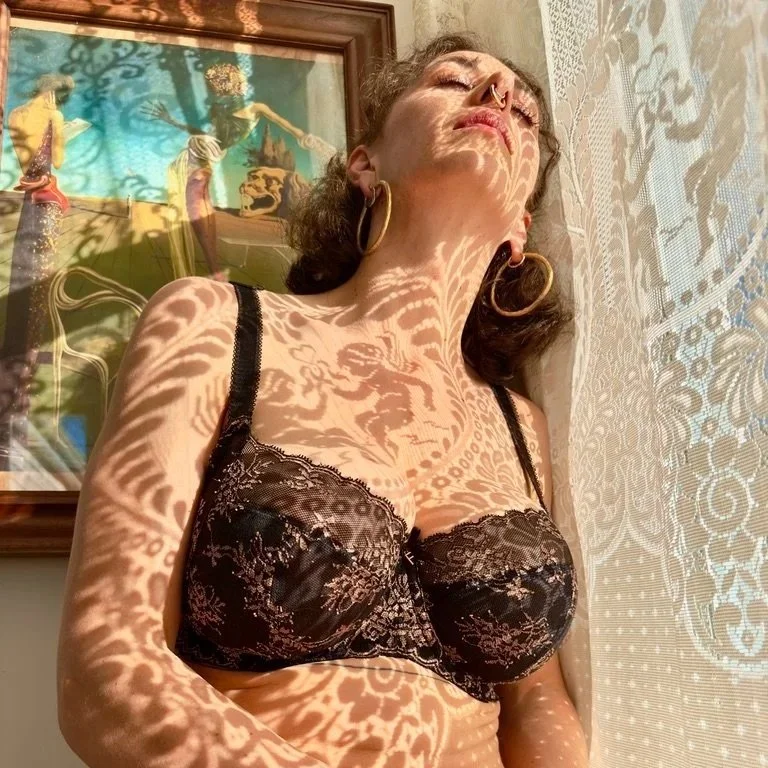
That’s why I care about fabrics, lighting, temperature, pacing. These aren’t decorative details. They’re foundational.
Ease isn’t the absence of intention.
It’s what allows intention to land.

The Care in Small Things
Care rarely announces itself.
It shows up in remembering how someone takes their coffee. Adjusting a pillow without comment. Opening a window before the air grows heavy. Small calibrations that make a space feel more breathable.
For me, care is a form of listening. It’s paying attention without hovering. Offering comfort without explanation. Making quiet adjustments that allow someone else to relax more fully into the moment.
When care is done well, it almost disappears. People don’t always notice what changed—only that they feel calmer, steadier, more at ease.
I think that’s exactly how it should be.
Ritual, Lightly Held
My mornings are slow by choice.
Coffee brewed patiently. Silence that isn’t filled just to avoid it. Sometimes a tarot card pulled—not for answers, but for reflection.
I don’t ask what will happen. I ask what wants to be noticed.
Ritual doesn’t need to be heavy to be meaningful. I hold it lightly. It’s there to create rhythm, not rules. A way to arrive in the day with intention instead of momentum.
The smallest rituals tend to be the most grounding. They remind me that clarity comes from making space, not from forcing conclusions.
On Living in an Evolving Body
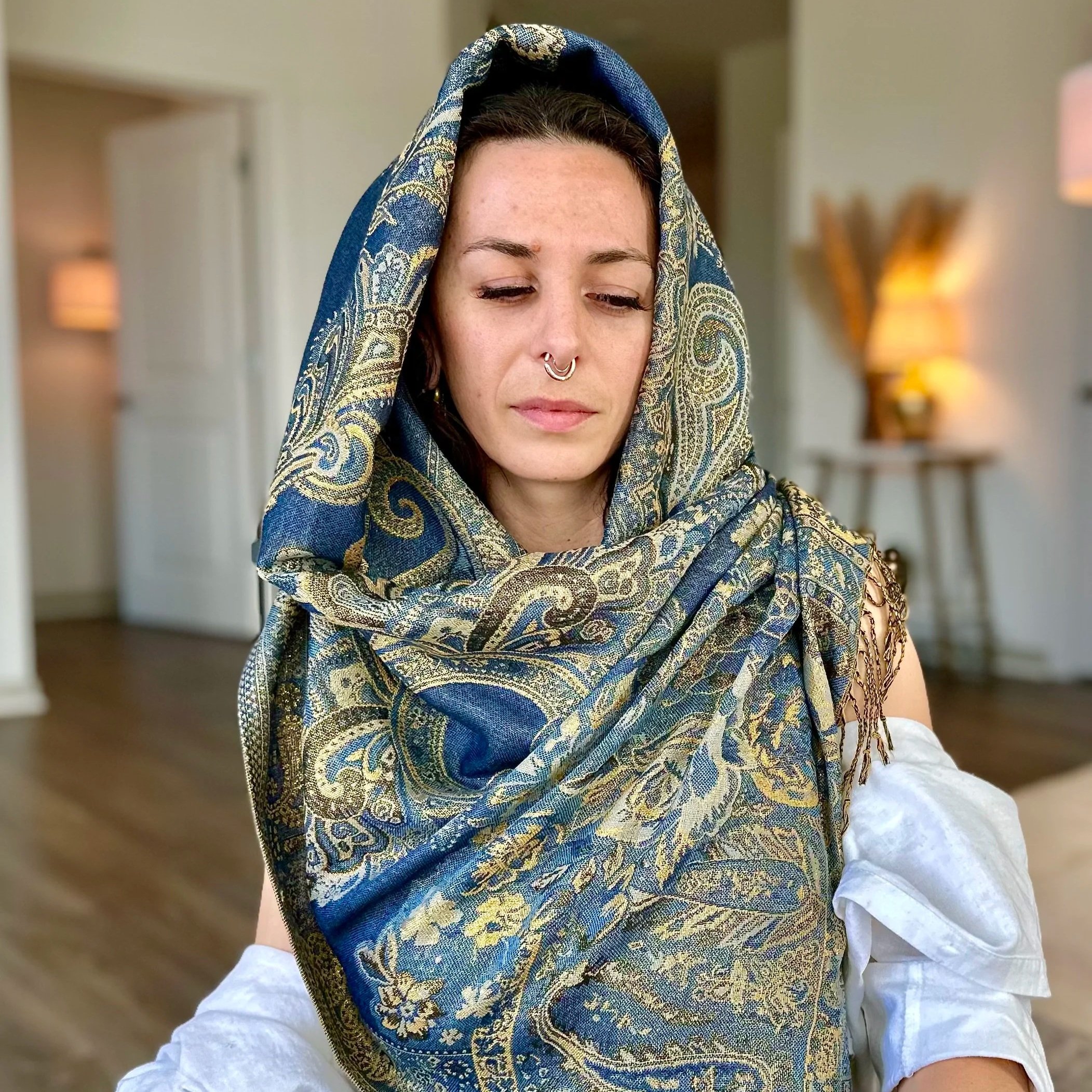
My body has never felt finished. It feels more like a conversation—one that keeps changing as I learn to listen differently.
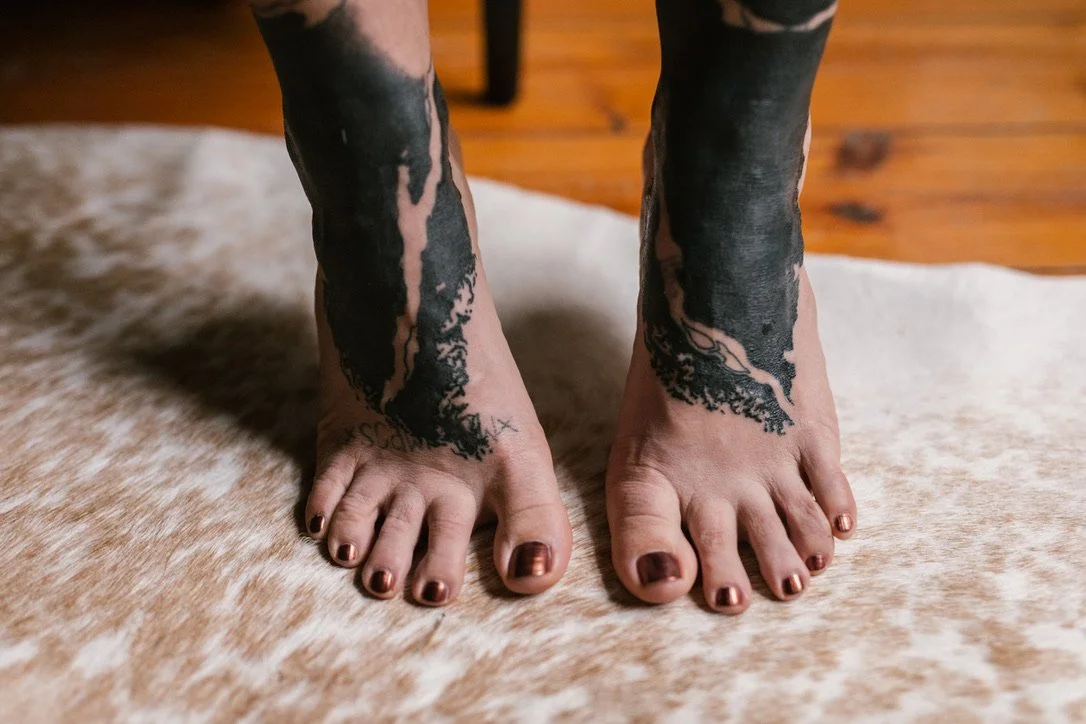
I’ve marked it intentionally. Slowly. Each tattoo carries a story, even when the details soften over time. I love the process as much as the result. The focus. The sensation. The way pain sharpens awareness and pulls you fully into the present.
There’s something honest about choosing to evolve visibly.
My relationship with my body has been layered. Being seen early. Being noticed before being understood. Learning, over time, how to reclaim comfort on my own terms.
I don’t aim for perfection. I aim for inhabiting myself more fully as I change.
What Grows When You Pay Attention
I don’t keep plants for how they look, though that’s part of their gift. I keep them because they teach me how to be with something living without trying to shape it too quickly.
When I tend to them, I get quiet. Not deliberately—my body just seems to understand that this is a listening practice. Plants don’t respond to urgency. They respond to steadiness, patience, and care offered at the right pace.
You can’t rush growth. You can only support it.
I’ve learned more about timing from watching leaves unfurl than from any instruction. When to intervene. When to wait. When something appears dormant but is very much alive beneath the surface.
My space has slowly become something between a jungle and a sanctuary. It breathes. It softens you. And being surrounded by that kind of life reminds me that some wisdom arrives quietly, and only stays if you’re paying attention.